Search results: 331
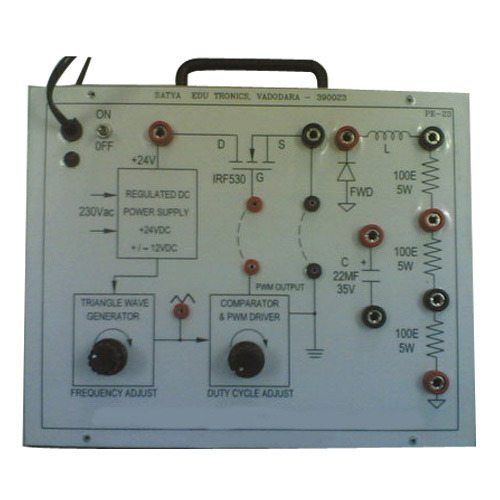
POWER ELECTRONICS LABORATORY
(KEE 653)
B. Tech (Electrical and Electronics Engineering)
Semester: VIth (Even Semester)
Session 2021–2022
Part A
Prepared by
Dr. Brijesh Singh, Associate Professor
Category: Dr. BRIJESH SINGH
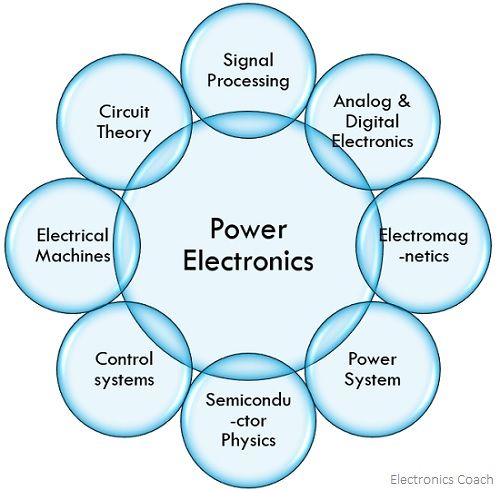
POWER ELECTRONICS (KEE 603)
B. Tech (Electrical and Electronics Engineering)
Semester: VIth (Even Semester)
Session 2021–2022
Part A
Prepared by
Dr. Brijesh Singh, Associate Professor
Category: Dr. BRIJESH SINGH
M. Tech, 2nd Semester
Category: Mr. AMEER FAISAL
COURSEOBJECTIVES
CO 1 Describe primary features, processes and principles of management. K1, K2
CO 2 Explain functions of management in terms of planning, decision making and organizing. K3, K4
CO 3 Illustrate key factors of leadership skill in directing and controlling business resources and processes. K5, K6
CO 4 Exhibit adequate verbal and non-verbal communication skills K1, K3
CO 5 Demonstrate effective discussion, presentation and writing skills. K3, K5
Category: Dr. Babita Tyagi
Unit 1 | Programming Fundamentals & C Basics | |
Evolution of programming languages: Why C still matters. Introduction to algorithm and flowchart. Structure of a C program, compilation process, and debugging overview. Tokens: keywords, identifiers, constants, variables. Data types and type conversions. Operators: arithmetic, relational, logical, assignment, bitwise. Basic I/O functions: printf(), scanf(). Conditional statements: if, if-else, nested if, switch-case. | ||
Unit 2 | Control Flow & Modular Programming | |
Looping constructs: while, do-while, for, nested loops. Introduction to functions: definition, declaration, call, return. Parameter passing: call by value. Overview of storage classes (auto, static, register, extern). | ||
Unit 3 | Arrays, Strings & Functions | |
Arrays: one-dimensional and two-dimensional. Array operations: search, insert, delete, basic sorting (bubble/sorting). Matrix operations: insertion, addition, transpose, multiplication. Strings: declaration, initialization, input/output. String handling functions (strlen, strcpy, strcmp, strcat, etc.). Functions handling arrays and strings. | ||
Unit 4 | Pointers & Memory Management | |
Basics of memory addressing and pointers. Pointer arithmetic. Pointers with functions. Arrays and pointers, strings and pointers. Function calls: call by reference, call by pointer. | ||
Unit 5 | Structures, Practical Applications | |
Structures and nested structures. Arrays of structures. Introduction to union and comparison with struct. Dynamic memory allocation: malloc(), calloc(), realloc(), free(). | ||
- Teacher: DR PRASHANT AGARWAL [MCA]
- Teacher: Mr. Roshan Kumar Gupta [MCA]
- Teacher: Ms. Mahima Tayal [MCA]
- Teacher: Ms. Somashree Gorai [MCA]
Category: Ms. Somashree Gorai
Project Management
Category: Dr. Prateek Gupta
| This course aims to build foundational skills in
Python programming, covering data types, control structures, functions, OOP,
and file handling. It also introduces data analysis using NumPy and Pandas,
along with data visualization through Matplotlib and Seaborn. By the end of the course, students will be able to:
|
||||||||||||||||||||||||||||||||
Category: Shish Pal Jatav
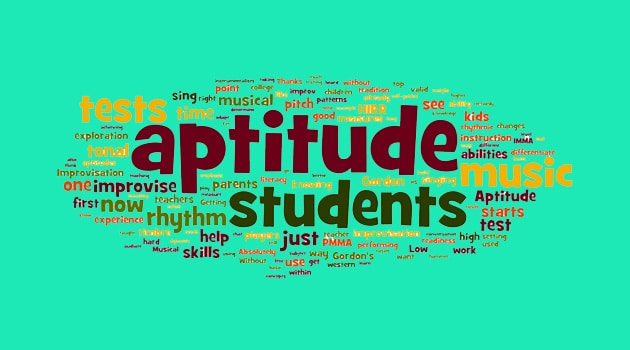
Aptitude training for an MCA (Master of Computer Applications) course focuses on developing essential skills required for problem-solving, analytical thinking, and technical proficiency. Here’s a summary of the key components:
1. Quantitative Aptitude
Focus Areas:
- Number Systems: Basics of integers, fractions, decimals, and real numbers.
- Algebra: Equations, inequalities, and functions.
- Geometry: Properties of shapes, areas, volumes, and coordinate geometry.
- Arithmetic: Percentages, ratios, proportions, and basic calculations.
- Data Interpretation: Analyzing data from charts, tables, and graphs.
Training Resources:
- Books (e.g., R.S. Agarwal’s “Quantitative Aptitude”).
- Online practice platforms and quizzes.
2. Logical Reasoning
Focus Areas:
- Patterns and Sequences: Identifying and predicting patterns.
- Syllogisms: Logical reasoning and deduction.
- Puzzles and Brain Teasers: Problem-solving through logic.
- Critical Thinking: Evaluating arguments and reasoning.
Training Resources:
- Reasoning books (e.g., R.S. Agarwal’s “Logical Reasoning”).
- Online platforms and apps with practice exercises.
3. Verbal Ability
Focus Areas:
- Grammar: Rules of English grammar and usage.
- Vocabulary: Word meanings, synonyms, and antonyms.
- Comprehension: Reading passages and answering related questions.
- Critical Reasoning: Analyzing and interpreting written information.
Training Resources:
- Grammar and vocabulary books (e.g., “Word Power Made Easy” by Norman Lewis).
- Online grammar exercises and reading comprehension tools.
4. General Strategies
- Regular Practice: Consistent daily practice to improve skills.
- Mock Tests: Simulate exam conditions and assess performance.
- Study Groups: Collaborative learning and problem-solving.
- Time Management: Developing efficient problem-solving strategies.
This comprehensive approach to aptitude training helps MCA students develop a well-rounded skill set crucial for academic success and career opportunities in the tech industry.
Category: Manish Gupta
An Aptitude typically provides an overview of an individual's natural talents, skills, and abilities. Here’s a general outline of what aptitude might include:
Overview of Strengths:
- Problem-Solving Skills: Ability to analyze situations, identify issues, and develop effective solutions.
- Analytical Thinking: Capacity for understanding complex systems and concepts, and breaking them down into manageable parts.
- Technical Skills: Proficiency in specific tools, technologies, or methodologies relevant to a particular field.
- Creative Abilities: Talent for thinking outside the box, generating innovative ideas, and applying creative solutions to real life challenges.
Core Competencies:
- Numerical Aptitude: Strength in handling mathematical calculations, data analysis, and quantitative reasoning.
- Verbal Aptitude: Skill in understanding, interpreting, and conveying information through language, both written and spoken.
- Spatial Reasoning: Ability to understand and manipulate shapes, patterns, and spatial relationships.
Interpersonal Skills:
- Communication: Proficiency in articulating ideas clearly and effectively to diverse audiences.
- Teamwork: Ability to collaborate well with others, demonstrating leadership and supportive skills as needed.
- Emotional Intelligence: Capacity for understanding and managing one’s own emotions and those of others, enhancing interactions and decision-making.
Learning and Adaptability:
- Quick Learner: Ability to grasp new concepts and skills rapidly and effectively.
- Flexibility: Capacity to adapt to changing circumstances and work environments with ease.
Career-Related Aptitudes:
- Industry-Specific Skills: Expertise in areas relevant to a particular career or profession, such as software development, marketing strategies, or engineering principles.
Potential Areas for Growth:
- Skill Development: Areas where further training or practice could enhance capabilities.
- Experience Gaps: Aspects of the field where gaining more experience could be beneficial.
Aptitude can help you to guide in career decisions, educational pursuits, and personal development strategies.
Time management is a crucial component of aptitude that involves the ability to plan, prioritize, and execute tasks efficiently within a given timeframe. In the context of aptitude, time management play a very important role.
Effective time management enhances productivity, reduces stress, and improves overall performance by ensuring that tasks are completed efficiently and deadlines are met. It’s a vital skill in both personal and professional settings, and honing it can lead to significant improvements in achieving goals and maintaining balance.

Category: Manish Gupta

For campus placement, especially in competitive fields or companies, the aptitude requirements can be quite specific and rigorous. Here’s a breakdown of what you might need to focus on:
1. Technical Skills
- Domain Knowledge: Understanding of the specific field or industry you're applying to, whether it's engineering, finance, IT, etc.
- Coding and Programming: For tech-related roles, proficiency in programming languages and problem-solving skills are essential.
- Software Proficiency: Familiarity with relevant tools and software can be crucial depending on the job.
2. Aptitude Tests
- Quantitative Ability: Strong skills in mathematics, including algebra, calculus, statistics, and data interpretation.
- Logical Reasoning: Ability to solve puzzles, logical problems, and pattern recognition tasks.
- Verbal Ability: Proficiency in reading comprehension, grammar, and vocabulary.
3. Soft Skills
- Communication Skills: Both verbal and written communication are key, as they reflect your ability to articulate ideas and work effectively in teams.
- Problem-Solving Ability: Demonstrating critical thinking and problem-solving skills through practical examples or case studies.
- Teamwork and Leadership: Experiences and traits that showcase your ability to work well in teams and potentially lead projects or initiatives.
4. General Knowledge and Awareness
- Current Affairs: Awareness of current events, industry trends, and general knowledge that might be relevant to the role or company.
- Company Knowledge: Understanding the company’s history, products, services, and market position.
5. Interview Preparation
- Technical Interviews: Expect to solve problems, answer technical questions, and sometimes complete coding challenges or case studies.
- Behavioral Interviews: Be prepared to discuss past experiences, challenges, and accomplishments, and demonstrate how you fit with the company culture.
6. Additional Skills
- Project Management: Understanding of basic project management principles and tools might be necessary, especially for managerial roles.
- Presentation Skills: Ability to present ideas clearly and effectively, often demonstrated through presentations or group discussions.
Preparation Tips:
- Mock Tests: Take practice tests to get familiar with the types of questions asked and the format of the aptitude tests.
- Study Material: Use books, online courses, and other resources to strengthen your quantitative, logical, and verbal skills.
- Resume Building: Ensure your resume highlights relevant skills, experiences, and achievements that align with the job requirements.

Category: Manish Gupta
- Understand the importance of the use of OR application in decision Making environment
- To formulate LPP and Obtain Graphical Solutions & Acquire General idea of the Simplex method.
- To understand and solve transportation & assignment models.
- To know optimal sequence model and understand concepts of queuing theory.
- To identify right time for replacement of equipment and understand project management techniques
Category: Mani Tyagi
1. Understand the importance of the use of OR application in decision Making environment
2. To formulate LPP and Obtain Graphical Solutions & Acquire General idea of the Simplex method.
3. To understand and solve transportation & assignment models.
4. To know optimal sequence model and understand concepts of queuing theory.
5. To identify right time for replacement of equipment and understand project management
techniques
Category: Mani Tyagi
|
Course Code: CA212E |
Course Name: Robotic Agentic Automation |
L |
T |
P |
C |
||||||||||||||||||||||||
|
|
3 |
0 |
0 |
3 |
|||||||||||||||||||||||||
|
Pre-requisite: Basic understanding of any programming language (preferably Python), along with fundamental computer and logical problem-solving skills. |
|||||||||||||||||||||||||||||
|
Course Objectives: |
|||||||||||||||||||||||||||||
|
This course provides a comprehensive understanding of Generative AI, LLMs, and RAG architectures for modern intelligent systems, while equipping students to design and deploy agentic AI solutions in real-world contexts. It also develops practical competency in RPA using UiPath, enabling automation of business workflows, alongside hands-on skills in data handling, UI automation, and integrating AI with automation tools for industry-ready applications. |
|||||||||||||||||||||||||||||
|
Course Outcome: |
|||||||||||||||||||||||||||||
|
|||||||||||||||||||||||||||||
|
CO-PO Mapping (Scale 1: Low, 2: Medium, 3: High):
|
|
Detailed Syllabus |
|||||||||||||||||||||||||||||||||
|
LLMs & RAG Foundations |
08 hours |
||||||||||||||||||||||||||||||||
|
Introduction to Generative AI & LLMs, Prompt Engineering techniques, RAG pipeline & architecture, Vector databases (FAISS, Pinecone) Hands-on: Chat with PDFs |
|||||||||||||||||||||||||||||||||
|
Agentic AI Systems |
08 hours |
||||||||||||||||||||||||||||||||
|
Agent architecture (LLM, Tools, Memory), React framework (Plan → Execute → Observe), Multi-agent systems, RAG + Agent integration, Real-time voice agents Hands-on: 1. Creating a simple AI agent with LLM, tools, and memory 2. Implementing Plan → Execute → Observe flow for task completion 3. Building a basic multi-agent or RAG-integrated agent workflow 4. Case Study: Developing a simple real-time chat or voice-based agent application |
|||||||||||||||||||||||||||||||||
|
Unit 3 |
UiPath Studio Basics |
08 hours |
|||||||||||||||||||||||||||||||
|
UiPath components: Studio, Robot, Orchestrator, Variables & Arguments, Control Flow (If, Switch, Loops), Hands-on workflows Hands-on: 1. Creating a basic automation workflow in UiPath Studio 2. Using variables and arguments to pass data between activities 3. Implementing control flow using If, Switch, and Loops in automation tasks 4. Case Study: Building a simple business process automation workflow using UiPath Robot and Orchestrator |
|||||||||||||||||||||||||||||||||
|
Unit 4 |
Data Manipulation & UI Automation |
08 hours |
|||||||||||||||||||||||||||||||
|
Data Tables & Excel automation, UI Activities (Click, Type Into), Selectors & Descriptors, Hands-on automation labs Hands-on: 1. Performing data extraction and manipulation using Data Tables and Excel automation 2. Automating web/desktop tasks using UI activities like Click and Type Into 3. Working with selectors and descriptors to handle dynamic UI elements 4. Case Study: Building an end-to-end automation for data entry from Excel to a web application |
|||||||||||||||||||||||||||||||||
|
Unit 5 |
Advanced Automation, Debugging & RE Framework |
08 hours |
|||||||||||||||||||||||||||||||
|
Recording techniques (Web, Desktop, Citrix), Debugging tools (Breakpoints, Step Into, Watch), Exception Handling (Try Catch, Logging), Project best practices, UiPath RE Framework (Robotic Enterprise Framework): Transactional Business Process Template, State Machine-based architecture, Init State: Initialize applications & settings, Get Transaction Data: Fetch queue items, Process Transaction: Execute business logic, End Process: Cleanup & reporting, Exception handling: System vs Business exceptions, Retry mechanism & queue-based processing, Logging & Orchestrator integration Hands-on: 1. Recording and automating tasks using Web, Desktop, and Citrix recording techniques 2. Debugging workflows using breakpoints, step execution, and logs 3. Implementing exception handling using Try-Catch and logging mechanisms 4. Case Study: Developing an enterprise-level automation using RE Framework with queue processing and retry logic |
|||||||||||||||||||||||||||||||||
|
Total Lecture Hours |
40 hours |
||||||||||||||||||||||||||||||||
|
Textbook: 1. Learning Robotic Process Automation with UiPath – Alok Mani Tripathi 2. Hands-On Machine Learning with Scikit-Learn, Keras, and TensorFlow – Aurélien Géron 3. Building LLM Applications with LangChain – (O’Reilly / relevant author editions) 4. Artificial Intelligence Basics: A Non-Technical Introduction – Tom Taulli |
|||||||||||||||||||||||||||||||||
|
|
|||||||||||||||||||||||||||||||||
|
Reference Books: 1. Robotic Process Automation: Guide to Building Software Robots – Richard Murdoch 2. AI Engineering: Building Applications with Foundation Models – Chip Huyen 3. Generative AI with Python and TensorFlow – Joseph Babcock 4. Automation Anywhere / UiPath Official Documentation (Online Reference) |
|||||||||||||||||||||||||||||||||
|
Mode of Evaluation:
|
|||||||||||||||||||||||||||||||||
|
CO |
Course Outcome |
BL |
KC |
PO Mapping |
|
CO1 |
Understand concepts of Generative AI, LLMs, Prompt Engineering, and RAG architecture for building intelligent systems. |
2 (Understand) |
K2 |
PO1(2), PO2(2), PO3(1), PO4(2), PO5(1), PO8(2) |
|
CO2 |
Apply agentic AI concepts including agent architecture, multi-agent systems, and integration of RAG with real-time applications. |
3 (Apply) |
K3 |
PO1(2), PO2(2), PO3(2), PO4(2), PO5(2), PO8(2) |
|
CO3 |
Develop automation workflows using UiPath components, variables, arguments, and control flow mechanisms. |
3 (Apply) |
K3 |
PO1(2), PO2(2), PO3(3), PO4(2), PO5(2), PO6(1), PO8(2) |
|
CO4 |
Implement data manipulation, Excel automation, and UI automation using selectors and activities in UiPath. |
3 (Apply) |
K3 |
PO1(2), PO2(2), PO3(3), PO4(2), PO5(2), PO6(1), PO8(2) |
|
CO5 |
Apply advanced automation techniques including debugging, exception handling, and RE Framework to build robust enterprise-level automation solutions. |
3 (Apply) |
K4 |
PO1(2), PO2(2), PO3(3), PO4(2), PO5(3), PO6(2), PO7(1), PO8(2) |

- Teacher: MR ANKIT VERMA [MCA]
Category: Dr. Ankit Verma
COURSE OUTCOME:
After completion of the course student will be able to:
1. Students can understand the definitions, concepts and components of Rural Development
2. Students will know the importance, structure, significance, resources of Indian rural economy.
3. Students will have a clear idea about the area development programmes and its impact.
4. Students will be able to acquire knowledge about rural entrepreneurship.
5. Students will be able to understand about the using of different methods for human resource planning
- Teacher: MS JYOTI SRIVASTAVA [EN]
Category: Ms. D. BLANDINA MIRACLE
Course is regarding development of rural development. Studying various strategies to overcome the challenges present with rural.
Category: Ms. Priya Singh
This course introduces students to Salesforce, a leading cloud-based CRM platform used by organizations worldwide. Learners will understand how to manage customer data, automate workflows, and create customized applications using Salesforce tools. The course focuses on practical skills including object creation, security settings, process automation, reports, dashboards, and basic development using Apex and Lightning Web Components.
Category: Ms. Riya Rai
Upon the completion of the course, the student will be able to:
Apply the use of sensors for measurement of displacement, force and pressure.
Employ commonly used sensors in industry for measurement of temperature, position, accelerometer, vibration sensor, flow and level.
Demonstrate the use of virtual instrumentation in automation industries.
Identify and use data acquisition methods.
Comprehend intelligent instrumentation in industrial automation. K2
Category: D Blandina Miracle
Upon the completion of the course, the student will be able to:
CO 1 Apply the use of sensors for measurement of displacement, force and pressure
CO2 Employ commonly used sensors in industry for measurement of temperature, position, accelerometer, vibration sensor, flow and level.
CO3 Demonstrate the use of virtual instrumentation in automation industries.
CO4 Identify and use data acquisition methods.
CO5 Comprehend intelligent instrumentation in industrial automation.
Category: D Blandina Miracle
The "Sensor and Instrumentation" course covers the principles, design, and application of various sensors and instrumentation systems. Topics include sensor types, signal conditioning, data acquisition, and integration into measurement systems. Students learn to select appropriate sensors, understand their operating principles, and analyze data for applications in industries such as healthcare, environmental monitoring, and automation. Practical labs and projects provide hands-on experience in building and troubleshooting sensor-based systems, preparing students for real-world challenges in engineering and technology fields.
Category: Dr. Rajesh Yadav