Search results: 236
Course Objectives
1: To understand business communication strategies and principles for effective communication in domestic and international business situations.
2: To understand and appropriately apply modes of expression, i.e., descriptive, expositive, narrative, scientific, and self-expressive, in written, visual, and oral communication.
3: To develop the ability to research and write a documented paper and/or to give an oral presentation. 4 : To develop the ability to communicate via electronic mail, Internet, and other technologies for presenting business messages.
5: To understand and apply basic principles of critical thinking, problem solving, and technical proficiency in the development of exposition and argument.
1. To understand business communication strategies and principles for effective communication in domestic and international business situations.
2. To understand and appropriately apply modes of expression, i.e., descriptive, expositive, narrative, scientific, and self-expressive, in written, visual, and oral communication.
3. To develop the ability to research and write a documented paper and/or to give an oral presentation.
4. To develop the ability to communicate via electronic mail, Internet, and other technologies for presenting business messages.
5. To understand and apply basic principles of critical thinking, problem solving, and technical
proficiency in the development of exposition and argument.
Course Objectives
1: To understand business communication strategies and principles for effective communication in domestic and international business situations.
2: To understand and appropriately apply modes of expression, i.e., descriptive, expositive, narrative, scientific, and self-expressive, in written, visual, and oral communication.
3: To develop the ability to research and write a documented paper and/or to give an oral presentation. 4 : To develop the ability to communicate via electronic mail, Internet, and other technologies for presenting business messages.
5: To understand and apply basic principles of critical thinking, problem solving, and technical proficiency in the development of exposition and argument.
- Understand the different basic concept / fundamentals of business statistics.
- Understand the importance of measures of Descriptive statistics which includes measures of central tendency, Measures of Dispersion, Time Series Analysis, Index Number, Correlation and Regression analysis and their implication on Business performance.
- Understand the concept of Probability and its usage in various business applications.
- Understand the Hypothesis Testing concepts and use inferential statistics- t, F, Z Test and Chi Square Test
- Understand the practical application of Descriptive and Inferential Statistics concepts and their uses for Business Analytics.
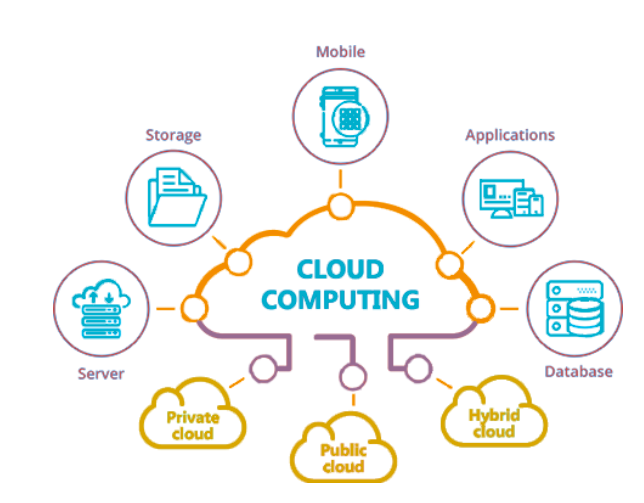
Cloud Computing is a large-scale distributed computing paradigm which has become a driving
force for information technology over the past several years. The exponential growth data size
in scientific instrumentation/simulation and social media has triggered the wider use of cloud
computing services. We will explore solutions and learn design principles for building large
network-based systems to support both compute and data intensive computing across
geographically distributed infrastructure.
This course will prepare the young pharmacy student to interact effectively with doctors, nurses, dentists, physiotherapists and other health workers. At the end of this course the student will get the soft skills set to work cohesively with the team as a team player and will add value to the pharmaceutical business.
Objectives: Upon completion of the course the student shall be able to
1. Understand the behavioral needs for a Pharmacist to function effectively in the areas of pharmaceutical operation
2. Communicate effectively (Verbal and Non Verbal)
3. Effectivelymanage the team as a team player
4. Develop interview skills
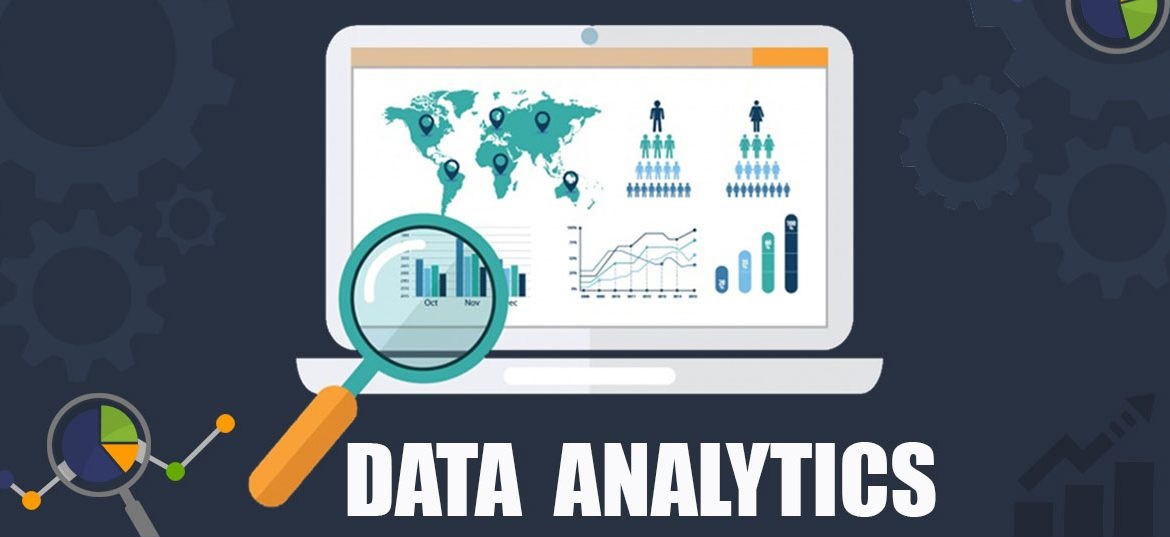
5. Develop Leadership qualities and essentials Course contentIn today's world, good decision-making relies on data and data analysis. This course helps students develop the understanding that they will need to make informed decisions using data and to communicate the results effectively. This course will enable
the student to examine the role data analytics plays in helping to make better
decisions based on data. The student will explore various models that can be
utilized to help summarize, visualize, and interpret data in a variety of
disciplines.
Design Thinking is a user-centric approach to innovation that aims to solve complex problems creatively. It involves five stages: Empathize, where you deeply understand users' needs; Define, where you frame the core problem; Ideate, where you generate a wide range of ideas; Prototype, where you create simplified models or solutions; and Test, where you experiment with these prototypes and gather feedback. This iterative process encourages continuous improvement, collaboration, and out-of-the-box thinking, ensuring that solutions are practical, innovative, and aligned with users’ real needs. It’s widely applied across industries for product development, services, and business strategies.
- Teacher: MS RUCHIKA VASHISHTH [ADMIN]
- Teacher: DR DILKESHWAR PANDEY [CSE]
- Teacher: DR (COL) AMIK GARG [Director]
- Teacher: DR MANOJ GOEL [Joint Director]
|
Pre-requisite: |
|
Course Objectives: |
|
|
Course Outcome: |
|
- Teacher: MR MOHIT TYAGI [ECE]
- Teacher: MS DIKSHA SINGH [ECE]