Search results: 232
|
CO1 |
analyse and describe the project. |
BL-4 |
|
CO2 |
formulate clear work plan and procedures. |
BL-4 |
|
CO3 |
design the software various designing techniques. |
BL-5 |
|
CO4 |
implement a project by using a programming language. |
BL-5 |
|
CO5 |
design report and able to present and able to present their work |
BL-5 |
Category: Dr. Vipin Kumar
CO 1 Explain main components, services, types and structure of Operating Systems. K2
CO 2 Apply the various algorithms and techniques to handle the various concurrency
control issues. K3
CO 3 Compare and apply various CPU scheduling algorithms for process execution. K2
CO 4 Identify occurrence of deadlock and describe ways to handle it. K3
CO 5 Explain and apply various memory, I/O and disk management techniques. K5
- Teacher: MR ANKIT VERMA [MCA]
Category: Dr. Ankit Verma
Course Objectives
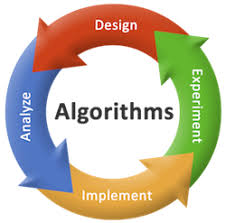
The objective of the course is to teach techniques for effective problem solving in computing.
The use of different paradigms of problem solving will be used to illustrate clever and efficient
ways to solve a given problem. In each case emphasis will be placed on rigorously proving
correctness of the algorithm. In addition, the analysis of the algorithm will be used to show the
efficiency of the algorithm over the naive techniques.
- Teacher: DR PRASHANT AGARWAL [MCA]
Category: DR. Prashant Agrawal
Course Objective
- To learn the systematic approach to the development, operation, maintenance and retirement of software.
- To develop methods and procedures for software development that can scale up for large systems and that can be used consistently to produce high-quality software at low cost and with a small cycle of time.
- Understanding of software testing approaches such as unit testing and integration testing.
- Describe software measurement and software risks.
- Understanding of software evolution and related issues such as version management.
- Understanding on quality control and how to ensure good quality software.

Category: Dr. Neelam Rawat
SE Lab Outcome
- Learn about different software development process models and software engineering principles and develop an ability to apply them to software design of real life problems.
- Plan, analyse, design and implement a software project using programming languages like Java, Python, R etc.
- To design report and able to present work with their team.

Category: Dr. Neelam Rawat
COURSE OUTCOME
CO 1:- Study and aware fundamentals of mobile computing.
CO 2:- Study and analyze wireless networking protocols, applications andenvironment.
CO 3:- Understand various data management issues in mobile computing.
CO 4:- Analyze different type of security issues in mobile computing environment.
CO 5:- Study, analyze, and evaluate various routing protocols used in mobile computing.
Category: Dr. Vipin Kumar
- Teacher: DR DEEPA [MBA]
- Teacher: Komal Salgotra [MCA]
Category: Dr. S D Mishra
Course Objective
- To learn the systematic approach to the development, operation, maintenance and retirement of software.
- To develop methods and procedures for software development that can scale up for large systems and that can be used consistently to produce high-quality software at low cost and with a small cycle of time.
- Understanding of software testing approaches such as unit testing and integration testing.
- Describe software measurement and software risks.
- Understanding of software evolution and related issues such as version management.
- Understanding on quality control and how to ensure good quality software.

Category: Dr. Neelam Rawat
- Teacher: DR AMIT KUMAR GUPTA [MCA]
Category: Dr. Amit Kumar Gupta
- Teacher: DR AMIT KUMAR [MCA]
Category: Dr. Amit Kumar
- Teacher: DR AMIT KUMAR GUPTA [MCA]
- Teacher: MR NARESH CHANDRA [MCA]
Category: Dr. Amit Kumar Gupta
COURSE OUTCOME
CO 1:- Study and aware fundamentals of mobile computing.
CO 2:- Study and analyze wireless networking protocols, applications andenvironment.
CO 3:- Understand various data management issues in mobile computing.
CO 4:- Analyze different type of security issues in mobile computing environment.
CO 5:- Study, analyze, and evaluate various routing protocols used in mobile computing.
- Teacher: MR ANKIT VERMA [MCA]
Category: Dr. Vipin Kumar



- Teacher: DR AMIT KUMAR GUPTA [MCA]
Category: Dr. Amit Kumar Gupta
- Teacher: DR AMIT KUMAR [MCA]
Category: Dr. Sangeeta Arora
- Teacher: DR AMIT KUMAR [MCA]
Category: Dr. Sangeeta Arora
- Teacher: DR DEEPA [MBA]
- Teacher: Komal Salgotra [MCA]
Category: Ms. Komal Salgotra
- Teacher: DR DEEPA [MBA]
Category: Prof. Komal Salgotra
- Teacher: Deepti Singh [CSE]
- Teacher: Dr. Preeti Garg [CSE]
- Teacher: Mr. Upendra Mishra [CSE]
- Teacher: MS NEHA YADAV [CSE]
Category: DR. NEHA YADAV
- Teacher: MS. SHIVANI [CO]
- Teacher: MR. AKASH GOEL [CS]
Category: Prof. Shivani
- Teacher: MS. ARUSHI GUPTA [CS]
Category: Prof. Arushi Gupta
Cyber security focuses on protecting computer systems from unauthorized access or being otherwise damaged or made inaccessible. Information security is a broader category that protects all information assets, whether in hard copy or digital form.
In this course you'll study network security and vulnerability assessment, information security policy and governance, digital forensics, and ethical hacking.
Also, you will learn how to administer networks, troubleshoot hardware/software problems, and determine the best ways to protect customers and clients from vulnerabilities within the network.
Category: Shish Pal Jatav
- Teacher: Mr. Praveen Gupta [MCA]
Category: Dr. Amit Kumar
- Teacher: Mr. Praveen Gupta [MCA]
Category: Dr. Amit Kumar
An operating system is software that manages the computer hardware, as well
as providing an environment for application programs to run. Perhaps the most visible aspect of an operating system is the interface to the computer
system it provides to the human user.
To best utilize the CPU, modern operating systems employ multiprogramming, which allows several jobs to be in memory at the same time, thus ensuring
that the CPU always has a job to execute. Time-sharing systems are an extension of multiprogramming wherein CPU scheduling algorithms rapidly switch
between jobs, thus providing the illusion that each job is running concurrently.
The operating system must ensure correct operation of the computer
system. To prevent user programs from interfering with the proper operation of
the system, the hardware has two modes: user mode and kernel mode.
Operating systems must also be concerned with protecting and securing
the operating system and users.
Category: Shish Pal Jatav
- Teacher: Deepti Singh [CSE]
Category: Mr. Vineet Kumar Vashishtha
- Teacher: Ms. Akanksha [CO]
- Teacher: Vandana [CS]
Category: Mr. Rahul Kumar
- Teacher: Mr. Pardeep Tyagi [CO]
- Teacher: Ms. Akanksha [CO]
- Teacher: MR. AKASH GOEL [CS]
Category: Dr. Akash Goel
- Teacher: Ms. Akanksha [CO]
Category: Prof. Akanksha
- Teacher: MR RAJESH KUMAR PATEL [ME]
Category: Dr. Piyush Pant
- Teacher: MS NEHA SHUKLA [CO]
- Teacher: MS. ARUSHI GUPTA [CS]
- Teacher: Rishabh Chakraborty [CS]
- Teacher: Shreela Pareek [CS]
Category: Ms Shreela Pareek
- Teacher: Ms. Akanksha [CO]
- Teacher: MR. ABHISHEK GOYAL [CS]
- Teacher: Shreela Pareek [CS]
Category: Dr. Abhishek Goyal
- Teacher: Dr. Preeti Garg [CSE]
- Teacher: MR ANKUR BHARDWAJ [CSE]
- Teacher: Mr. Upendra Mishra [CSE]
- Teacher: Ms. Bhawna CSE(AI&ML)
Category: DR MADHU GAUTAM


UNIT-I: (8) Introduction: Introduction to Software Engineering, Software Components, Software Characteristics, Software Crisis, Software Engineering Processes, Similarity and Differences from Conventional Engineering Processes, Software Quality Attributes. Software Development Life Cycle (SDLC) Models: Water Fall Model, Prototype Model, Spiral Model, Evolutionary Development Models, Iterative Enhancement Models.
UNIT-II: (8) Software Requirement Specifications (SRS): Requirement Engineering Process: Elicitation, Analysis, Documentation, Review and Management of User Needs, Feasibility Study, Information Modeling, Data Flow Diagrams, Entity Relationship Diagrams, Decision Tables, SRS Document, IEEE Standards for SRS. Software Quality Assurance :(SQA): Verification and Validation, SQA Plans, Software Quality Frameworks, ISO 9000 Models, SEI-CMM Model.
UNIT-III: (8) Software Design: Basic Concept of Software Design, Architectural Design, Low Level Design: Modularization, Design Structure Charts, Pseudo Codes, Flow Charts, Coupling and Cohesion Measures, Design Strategies: Function Oriented Design, Object Oriented Design, Top-Down and Bottom-Up Design. Software Measurement and Metrics: Various Size Oriented Measures: HalesteSoftware Science, Function Point (FP) Based Measures, Cyclomatic Complexity Measures: Control Flow Graphs
UNIT-IV: (8) Software Testing: Testing Objectives, UNIT Testing, Integration Testing, 8 Acceptance Testing, Regression Testing,Testing for functionality and Testing for Performance, Top-Down and Bottom-Up Testing Strategies: Test Drivers and Test Stubs, Structural Testing (White Box Testing), Functional Testing (Black Box Testing), Test Data Suit Preparation, Alpha and Beta Testing of Products. Static Testing Strategies: Formal Technical Reviews (Peer Reviews), Walk Through, Code Inspection, Compliance with Design and Coding Standards.
UNIT-V: (8)
Software Maintenance and Software Project Management: Software as an Evolutionary Entity, Need for maintenance, Categories of Maintenance: Preventive, Corrective and Perfective Maintenance, Cost of Maintenance, Software Re-Engineering, Reverse Engineering. Software Configuration Management Activities, Change Control Process, Software Version Control, An Overview of CASE Tools. Estimation of Various Parameters such as Cost, Efforts, Schedule/Duration, Constructive Cost Models (COCOMO), Resource allocation Models, Software Risk Analysis and Management.
- Teacher: DR AMIT KUMAR GUPTA [MCA]
Category: Dr. Amit Kumar Gupta


- Teacher: Arti Pandey [CSIT]
- Teacher: Chandan Kumar [CSIT]
- Teacher: Ms. Shrankhla Saxena [CSIT]
Category: Ms. Shivangi Tyagi

To realize the significance of constitution of India to students from all walks of life and help them to understand the basic concepts of Indian constitution.
To identify the importance of fundamental rights as well as fundamental duties.
To understand the functioning of Union, State and Local Governments in Indian federal system.
To learn procedure and effects of emergency, composition and activities of election
commission and amendment procedure
- Teacher: Ayushi Mittal [CSE(AI)]
Category: Mr. Mukesh Lomror
- Teacher: Dr. MASOOD RIZVI [EN]
Category: Dr Masood Rizvi
- Teacher: MS MADHU GAUTAM [CSE]
- Teacher: MS NEHA YADAV [CSE]
Category: DR Preeti Garg
- Teacher: MR ANKUR BHARDWAJ [CSE]
- Teacher: Mr. Upendra Mishra [CSE]
- Teacher: MS MADHU GAUTAM [CSE]
Category: DR Preeti Garg
- Teacher: DR SHASHANK BHARDWAJ [MCA]
Category: Dr. Shashank Bhardwaj
- Teacher: MS. SHIVANI [CO]
Category: Dr. Kalpna Sagar
|
Course Code: CA211E |
Course Name: UI/UX Design for Web Application |
L |
T |
P |
C |
|||||||||||||||||||||||||||||||||||||||||||||||||||||||
|
|
3 |
0 |
0 |
3 |
||||||||||||||||||||||||||||||||||||||||||||||||||||||||
|
Pre-requisite: Understanding of mobile and web application. |
||||||||||||||||||||||||||||||||||||||||||||||||||||||||||||
|
Course Objectives: |
||||||||||||||||||||||||||||||||||||||||||||||||||||||||||||
|
Learn to create responsive and accessible designs for both mobile and web applications while gaining hands-on experience with standard tools. Develop essential skills by working on real-world projects, helping students to build a strong UI/UX portfolio and preparing them for a successful career in design. |
||||||||||||||||||||||||||||||||||||||||||||||||||||||||||||
|
Course Outcome: |
||||||||||||||||||||||||||||||||||||||||||||||||||||||||||||
|
||||||||||||||||||||||||||||||||||||||||||||||||||||||||||||
|
CO-PO Mapping (Scale 1: Low, 2: Medium, 3: High):
|
||||||||||||||||||||||||||||||||||||||||||||||||||||||||||||
|
Detailed Syllabus |
||||||||||||||||||||||||||||||||||||||||||||||||||||||||||||
|
Unit 1 |
Introduction to UI/UX Design |
08 hours |
||||||||||||||||||||||||||||||||||||||||||||||||||||||||||
|
Basics: Understanding UI (User Interface) and UX (User Experience), Differences between UI and UX, Importance of UI/UX in Web and Mobile Applications, UI/UX Design Process and Workflow, Design Thinking and Human-Centered Design (HCD), Design Thinking & User-Centered Design, Tools for UI/UX Design like Figma, Canva, Adobe XD, Sketch, Balsamiq. |
||||||||||||||||||||||||||||||||||||||||||||||||||||||||||||
|
Unit 2 |
User Research & Analysis |
08 hours |
||||||||||||||||||||||||||||||||||||||||||||||||||||||||||
|
UX Research Methods: Understanding User Needs and Behavior, Conducting User Interviews and Surveys, Competitor Analysis and Market Research, Defining User Journeys and User Flows, User Persona & User Journey, Information Architecture (IA), Wire-framing and Prototyping. |
||||||||||||||||||||||||||||||||||||||||||||||||||||||||||||
|
Unit 3 |
UI Design Principles |
08 hours |
||||||||||||||||||||||||||||||||||||||||||||||||||||||||||
|
Design Principles: Visual Design Principles (Color Theory, Typography, Layouts), Creating a Design System and Style Guide, Icons, Buttons, and Micro-interactions, UI Patterns and Design for mobile and web, Designing for Different Screen Sizes (Responsive and Adaptive Design) |
||||||||||||||||||||||||||||||||||||||||||||||||||||||||||||
|
Unit 4 |
Web & Mobile UI/UX Design |
08 hours |
||||||||||||||||||||||||||||||||||||||||||||||||||||||||||
|
Web Design:HTML & CSS for UI Design, CSS Frameworks (Bootstrap, Tailwind CSS), Responsive Web Design (RWD) using Flexbox & Grid. Mobile Design: Mobile-First Design Approach, Touchscreen Design Considerations, Guidelines for iOS (Apple Human Interface Guidelines), Guidelines for Android (Material Design), Web Design vs. Mobile Design, |
||||||||||||||||||||||||||||||||||||||||||||||||||||||||||||
|
Unit 5 |
UX Testing & Evaluation |
08 hours |
||||||||||||||||||||||||||||||||||||||||||||||||||||||||||
|
Testing & Evaluation: A/B Testing and Usability Testing, Heatmaps and Analytics for User Behavior Tracking, Eye-Tracking and Click stream Analysis, Measuring UX Success with Metrics (Time on Task, Conversion Rates, etc.), UX Heuristics and Cognitive Load Analysis, Analyzing UI/UX of Popular Mobile and Web Applications. Redesigning an Existing Application (Mini Project). |
||||||||||||||||||||||||||||||||||||||||||||||||||||||||||||
|
Total Lecture Hours |
40 hours |
|||||||||||||||||||||||||||||||||||||||||||||||||||||||||||
|
Textbook: 1. Creative Tim, Roots of UI/UX: Learn to Develop Intuitive Web Experiences, Self-published, 2023. 1. Newbies Guide to UI/UX Design Using Figma, Author: Anthony E. Sanchez, Publisher: Inigi Publishers LLC, Year: 2024. |
||||||||||||||||||||||||||||||||||||||||||||||||||||||||||||
|
|
||||||||||||||||||||||||||||||||||||||||||||||||||||||||||||
|
Reference Books: 1. The Art and Science of UX Design, Author: Anthony Conta, Year: 2023, Publisher: Pearson 2. Debasish Sarkar, Web and Mobile Interface Design, Oxford University Press, 2015. 3. Making Sense of UX Research, Authors: Raffaele Boiano & Riccardo Mazzucchelli, Year: 2022, Publisher: Apress 1. Pawan Lingras and Rucha Lingras, Web Usability: A User-Centered Design Approach, Pearson India, 2017. |
||||||||||||||||||||||||||||||||||||||||||||||||||||||||||||
|
Mode of Evaluation:
|
||||||||||||||||||||||||||||||||||||||||||||||||||||||||||||
- Teacher: MR ANKIT VERMA [MCA]
Category: Dr. Ankit Verma
- Teacher: Shruti Aggarwal [MCA]
Category: Ms. Annu Yadav
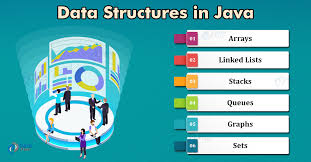
This course provides a comprehensive foundation in data structures and algorithms with systematic implementation using Java. It covers fundamental concepts such as arrays, strings, recursion, searching and sorting techniques, linear and non-linear data structures, and the Java Collections Framework. The course emphasizes algorithmic thinking, problem solving, and performance analysis through time and space complexity. With a balanced focus on theory and hands-on programming, it prepares students for advanced computing subjects, competitive programming, and industry-oriented software development.
- Teacher: DR PRASHANT AGARWAL [MCA]
Category: DR. Prashant Agrawal

Software Engineering (BCS-601)
Category: Dr. Om Prakash Kushwaha
- Teacher: MR VINEET KUMAR VASHISHTHA [ME]
Category: Mr. Vineet Kumar Vashishtha
Category: Mr. Dushyant Kumar
- Teacher: MR RABI NARAYAN PANDA [MCA]
Category: Mr. Rabi Narayan Panda
- Teacher: MR RABI NARAYAN PANDA [MCA]
Category: Mr. Rabi Narayan Panda
- Teacher: Sachin Kumar Rai [CSIT]
Category: Mr. Sachin Kumar Rai
- Teacher: MS MADHU GAUTAM [CSE]
- Teacher: MS NEHA YADAV [CSE]
Category: DR MADHU GAUTAM
- Teacher: MS NEHA YADAV [CSE]
- Teacher: MS PARITA JAIN [CSE]
- Teacher: MS SWATI SHARMA [CSE]
Category: DR. NEHA YADAV
- Teacher: Dr. Manvi Khatri [CSE(AI&ML)]
- Teacher: Ms. Anjali Maurya [CSE(AI&ML)]
- Teacher: Ms. Deepinder Kaur [CSE(AI&ML)]
- Teacher: Ms. Bhawna CSE(AI&ML)
Category: Dr. Kiran Narang
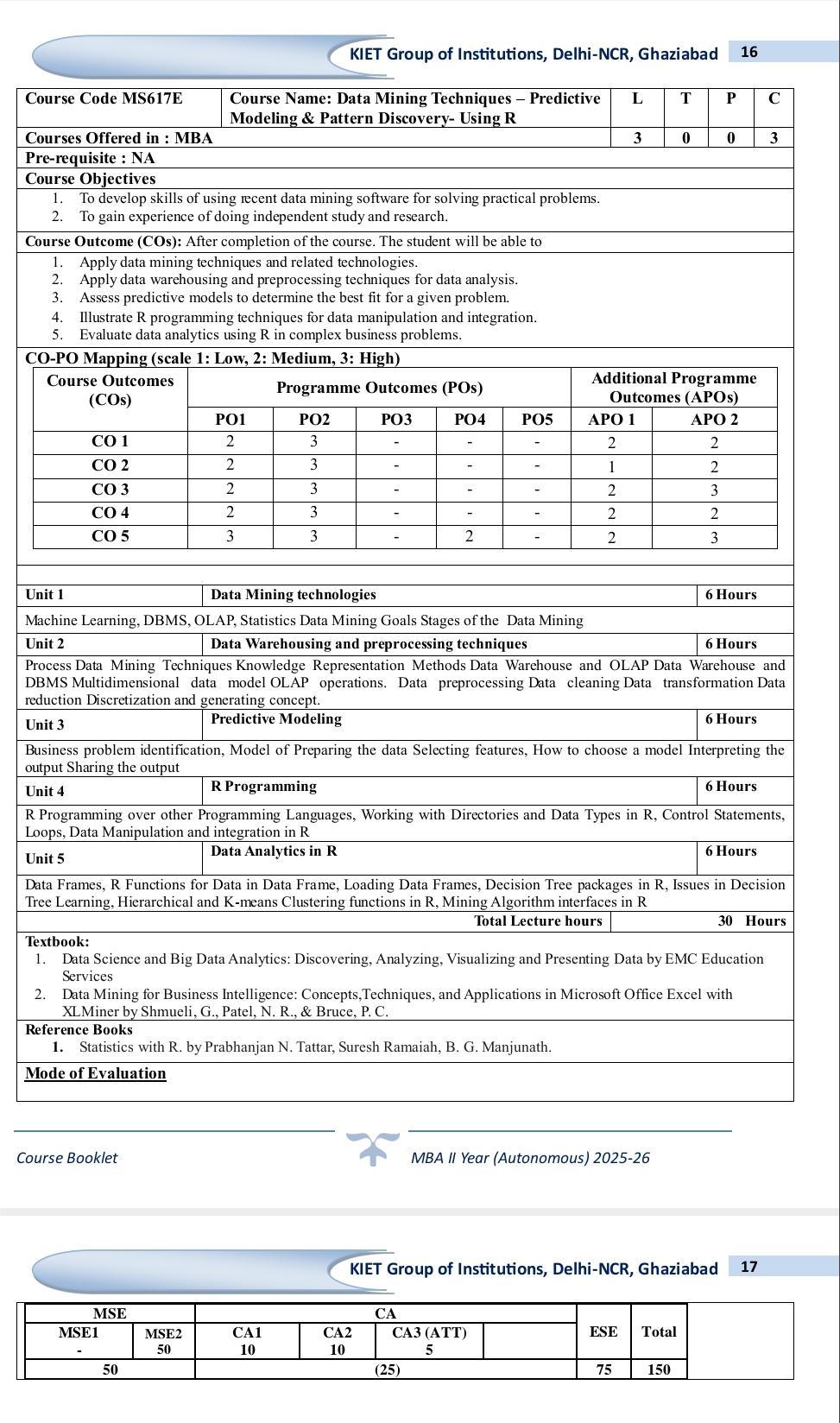
Syllabus outline for the MBA course Data Mining Techniques – Predictive Modeling & Pattern Discovery using R (MS617E) offered at KIET Group of Institutions, Delhi-NCR.
It covers data mining technologies, data warehousing & preprocessing, predictive modeling, R programming, and data analytics in R over 30 lecture hours. The course aims to build skills in applying data mining techniques, predictive models, and R programming for business problem-solving.
Key outcomes include applying data warehousing, preprocessing, predictive modeling, and evaluating data analytics in real-world contexts. Evaluation is based on MSE, CA (class assessments), and ESE, totaling 150 marks.
Category: Professor Pragya
- Teacher: Arti Pandey [CSIT]
- Teacher: Mr. Md Firoz Alam [CSIT]
Category: Ms. Shivangi Tyagi
- Teacher: Mr. Deep Kumar [CSIT]
Category: Ms. Shivangi Tyagi
- Teacher: DR. Ajay Kumar [CSIT]
- Teacher: Mr. Deep Kumar [CSIT]
- Teacher: Ms. Shrankhla Saxena [CSIT]
Category: Ms. Shivangi Tyagi
- Teacher: Silki Kharaliya
Category: Dr. Rohit Vashisht
Category: Dr. Rohit Vashisht
- Teacher: Dr.Sapna Juneja [CSE- AI]
- Teacher: Sachin Kumar Rai [CSIT]
- Teacher: Sonia Deshmukh [CSIT]
Category: Dr. Rohit Vashisht
- Teacher: Sachin Kumar Rai [CSIT]
- Teacher: Sonia Deshmukh [CSIT]
Category: Dr. Rohit Vashisht
- Teacher: Sachin Kumar Rai [CSIT]
Category: Mr. Sachin Kumar Rai
- Teacher: Prince Gupta [CSIT]
- Teacher: Sachin Kumar Rai [CSIT]
- Teacher: Ms. Pavi Saraswat [IT]
Category: Dr. Rohit Vashisht
|
1. To understand the interlinking of PLC with IIoT gateways for cloud-based data monitoring and sharing. 2. To develop logical control programs for industrial automation applications using PLC systems. 3. To learn the concepts of industrial data acquisition and integration of PLC data with SQL databases. 4. To understand the fundamentals of electrical motors and their control methods used in industrial systems. 5. To study AC electrical drives and develop practical automation applications integrating concepts from third, fourth, and fifth semester courses. |
- Teacher: MS VAISHALI KIKAN [ECE]
Category: THIRD YEAR
- Teacher: MR CHIRAG ARORA [ECE]
Category: Ms. Ragini Sharma
Data Structure is a core subject of Computer Science. The study of data structure allows us to understand the organization of data and the management of the data flow in order to increase the efficiency of any process or program. Data Structure is a particular way of storing and organizing data in the memory of the computer so that these data can easily be retrieved and efficiently utilized in the future when required.
- Teacher: Dr. Saurabh Sharma [IT]
- Teacher: Mr. Sherish Johri [IT]
Category: Mr. Shashank Yadav
Data Structure is a core subject of Computer Science. The study of data structure allows us to understand the organization of data and the management of the data flow in order to increase the efficiency of any process or program. Data Structure is a particular way of storing and organizing data in the memory of the computer so that these data can easily be retrieved and efficiently utilized in the future when required.
Category: Mr. Shashank Yadav
The widespread popularity of digital cryptocurrencies has led to the foundation of Blockchain, which is fundamentally a public digital ledger to share information in a trustworthy and secure way. The concept and applications of Blockchain have now spread from cryptocurrencies to various other domains, including business process management, smart contracts, IoT, and so on.
At the end of the course, students will be able to "Comprehend the structure of Blockchain networks", "Evaluate security issues relating to Blockchain and cryptocurrency" Design and analyze the applications based on Blockchain technology".

Category: Ms. Garima Singh
|
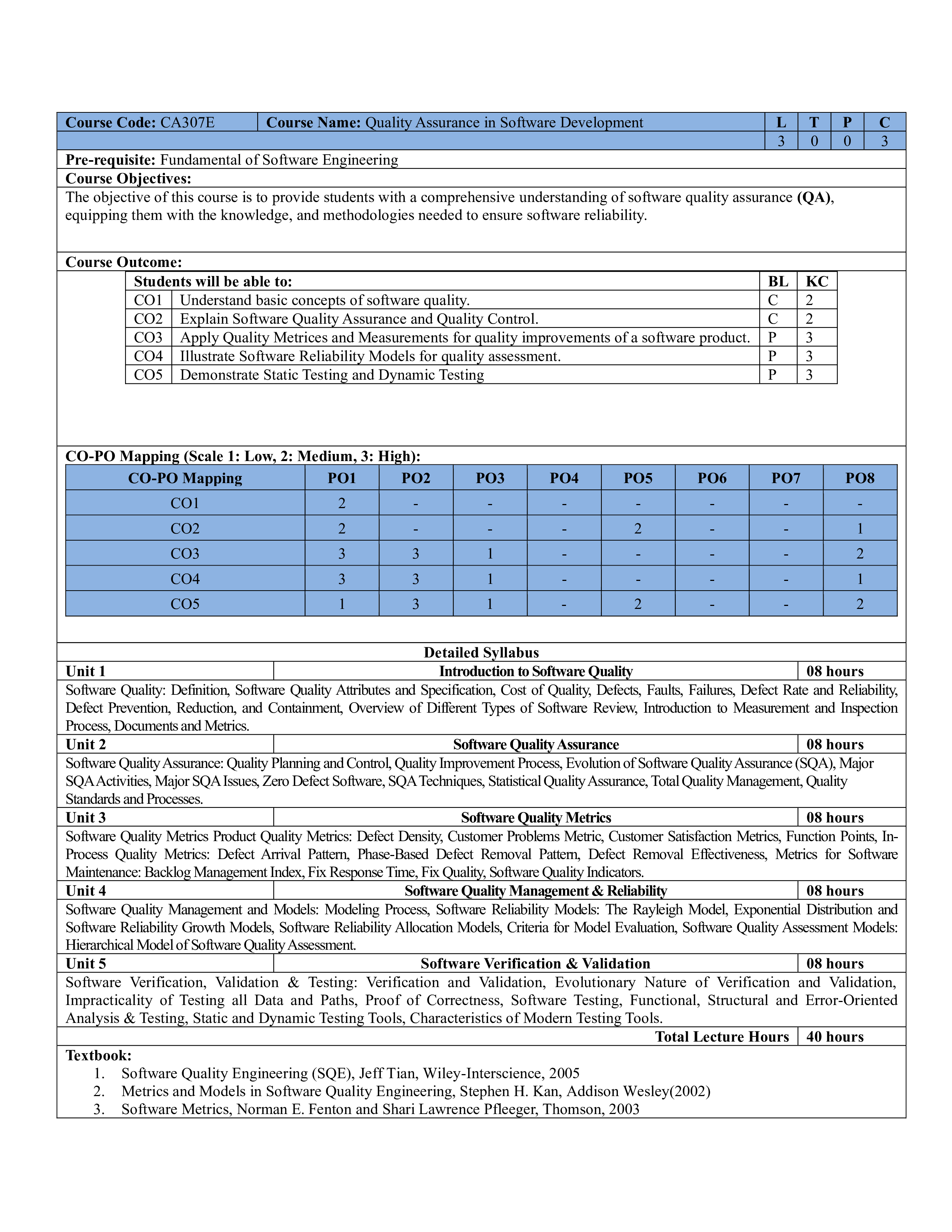
Detailed Syllabus |
|
|
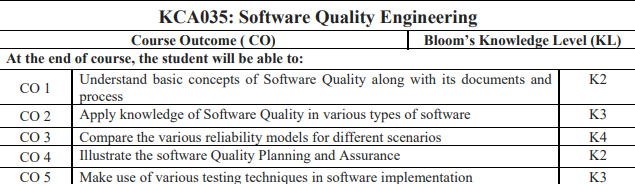
Introduction to Software Quality |
|
|
Software Quality: Definition, Software Quality Attributes and Specification, Cost of Quality, Defects, Faults, Failures, Defect Rate and Reliability, Defect Prevention, Reduction, and Containment, Overview of Different Types of Software Review, Introduction to Measurement and Inspection Process, Documents and Metrics. |
|
|
Software Quality Assurance |
|
|
Software Quality Assurance: Quality Planning and Control, Quality Improvement Process, Evolution of Software Quality Assurance (SQA), Major SQA Activities, Major SQA Issues, Zero Defect Software, SQA Techniques, Statistical Quality Assurance, Total Quality Management, Quality Standards and Processes. |
|
|
Software Quality Metrics |
|
|
Software Quality Metrics Product Quality Metrics: Defect Density, Customer Problems Metric, Customer Satisfaction Metrics, Function Points, In-Process Quality Metrics: Defect Arrival Pattern, Phase-Based Defect Removal Pattern, Defect Removal Effectiveness, Metrics for Software Maintenance: Backlog Management Index, Fix Response Time, Fix Quality, Software Quality Indicators. |
|
|
Software Quality Management & Reliability |
|
|
Software Quality Management and Models: Modeling Process, Software Reliability Models: The Rayleigh Model, Exponential Distribution and Software Reliability Growth Models, Software Reliability Allocation Models, Criteria for Model Evaluation, Software Quality Assessment Models: Hierarchical Model of Software Quality Assessment. |
|
|
Software Verification & Validation |
|
|
Software Verification, Validation & Testing: Verification and Validation, Evolutionary Nature of Verification and Validation, Impracticality of Testing all Data and Paths, Proof of Correctness, Software Testing, Functional, Structural and Error-Oriented Analysis & Testing, Static and Dynamic Testing Tools, Characteristics of Modern Testing Tools. |
|
- Teacher: MR ANKIT VERMA [MCA]
Category: Dr. Ankit Verma
- Teacher: Dr Rahat Ullah Khan [EN]
Category: DR. RAHAT ULLAH KHAN
|
Course Objectives: |
|
· To acquaint the students with legacies of constitutional development in India and help those to understand the most diversified legal document of India and philosophy behind it. · To make students aware of the theoretical and functional aspects of the Indian Parliamentary System. · To channelize students’ thinking towards basic understanding of the legal concepts and its implications for engineers. · To learn procedure and effects of emergency, composition and activities of election commission and amendment procedure. |
Category: Dr. Meeta Chaudhry
A data structure is a storage that is used to store and organize data. It is a way of arranging data on a computer so that it can be accessed and updated efficiently.
It comprises of 5 units.
On moodle, you will get Notes, PPT, Assignments, Video links, Quizzes, previous papers, and other related material.

- Teacher: Dr. HARSH KHATTER [CO]
- Teacher: MR. ANURAG MISHRA [CS]
- Teacher: MR. PAWAN KUMAR PAL [CS]
- Teacher: MR. SREESH GAUR [CS]
- Teacher: Dr. Rishabh Jain
Category: Prof. Harsh Khatter
THIS IS A PRACTICAL / PRESENTATION BASED COURSE OBJECTIVELY DIRECTED:
1. To Develop Critical Thinking Skills
2. To Enhance Awareness of Current Affairs
3. To Apply Theoretical Knowledge to Real-World Situations
4. To Improve Analytical and Interpretation Skills
5. To Strengthen Communication and Presentation Skills
6. To Encourage Multi-Dimensional Perspective
7. To Build Decision-Making and Problem-Solving Abilities
8. To Identify Business and Policy Implications
9. To Promote Independent Learning and Opinion Formation
1. To Develop Critical Thinking Skills
2. To Enhance Awareness of Current Affairs
3. To Apply Theoretical Knowledge to Real-World Situations
4. To Improve Analytical and Interpretation Skills
5. To Strengthen Communication and Presentation Skills
6. To Encourage Multi-Dimensional Perspective
7. To Build Decision-Making and Problem-Solving Abilities
8. To Identify Business and Policy Implications
9. To Promote Independent Learning and Opinion Formation

Category: Anjan Kumar
To help students understand digital and social media marketing practices.
To provide understanding of the concept of social media platforms
To impart learning on various digital channels and how to acquire and engage consumers
online.
To provide insights on building organizational competency by way of digital marketing
practices and cost considerations.
To develop understanding of the latest digital practices for marketing and promotion.
- Teacher: MS. PALLAVI SHARMA [CS]
- Teacher: Mr. Rahul Kumar [IT]
Category: Deepa
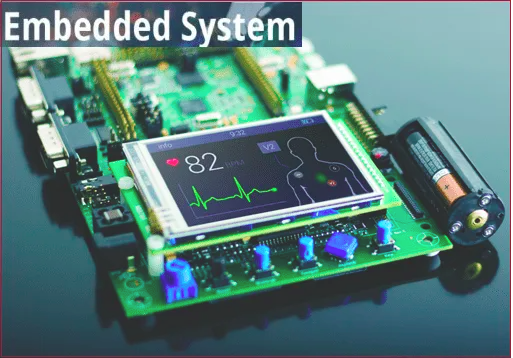
An embedded system is a microprocessor-based computer hardware system with software that is designed to perform a dedicated function, either as an independent system or as a part of a large system. At the core is an integrated circuit designed to carry out computation for real-time operations.
Complexities range from a single microcontroller to a suite of processors with connected peripherals and networks; from no user interface to complex graphical user interfaces. The complexity of an embedded system varies significantly depending on the task for which it is designed.
Embedded system applications range from digital watches and microwaves to hybrid vehicles and avionics. As much as 98 percent of all microprocessors manufactured are used in embedded systems.
Category: Mr. Shubham Shukla
UNIT-1: Energy Scenario: Classification of Energy, Indian energy scenario, Sectorial energy
consumption (domestic, industrial and other sectors), energy needs of growing economy, energy
intensity, long term energy scenario, energy pricing, energy security, energy conservation and its
importance, energy strategy for the future.
Energy Conservation Act 2001 and related policies: Energy conservation Act 2001 and its
features, notifications under the Act, Schemes of Bureau of Energy Efficiency (BEE) including
Designated consumers, State Designated Agencies, Electricity Act 2003, Integrated energy policy,
National action plan on climate change, ECBC code for Building Construction.
UNIT-2: Demand Side Management (DSM): Concept and Scope of Demand Side Management,
Difference between Energy Efficiency and DSM, Evolution of Demand Side Management, DSM
Strategy, Planning, Implementation and its application, Customer Acceptance & its implementation
issues, National and International Experiences with DSM, UDAY scheme and other government
initiatives for DISCOMs.
Energy Monitoring and Targeting: Defining monitoring & targeting, elements of monitoring &
targeting, data and information-analysis, techniques –energy consumption, production, cumulative
sum of differences (CUSUM). Energy Management Information Systems (EMIS)
UNIT-3: Energy Audit: Aim of energy Audit, Strategies of Energy Audit, Energy management
Team Consideration in implementing energy conservation Programme, Process flow diagram, Energy
Audit report format, Benchmarking and Energy Performance, Instruments for energy audit, Economic
analysis.
UNIT-4: System Audit of Mechanical Utilities: Pumps, types and application, unit’s assessment,
improvement option, parallel and series operating pump performance. Energy Saving in Pumps &
Pumping Systems. Bloomers (Blowers) types & application, its performance assessment, series &
parallel operation applications & advantages. Energy Saving in Blowers Compressors, types &
applications, specific power consumption, compressed air system & economic of system changes.
Energy Saving in Compressors & Compressed Air Systems Cooling towers, its types and
performance assessment & limitations, water loss in cooling tower. Case studies related to Energy
Audit & Management in Industries
UNIT-5: Energy Efficient Technology: Need for Energy Efficient Devices, Life Cycle Assessment,
Comparison between simple pay-back and life cycle cost assessment, Energy Efficient Motors-motor
losses and loss reduction techniques, determining and comparing motor efficiencies, motor efficiency
testing standards, BIS specification for Energy Efficient Motors, efficiency as a function of load,
Energy Efficient Lighting Sources-compact fluorescent lamp, light emitting diode, LED lamp, role of
voltage on the efficiency of lighting system, Importance of Automatic power factor controllers,
Variable Frequency Drives.
Category: DR. RAHAT ULLAH KHAN
· The basic objective of this course is to provide to the country a steady stream of competent young men & women with the necessary knowledge, skills and foundations for acquiring a wide range of rewarding careers into the rapidly expanding world of Import & Export Management
· To promote basic understanding on the concepts of export and import documentations to enable them to realize the impact of documentations.
Category: Dr. Prateek Gupta
to identify the roots and details of some of the contemporary issues faced by our nation
and try to locate possible solutions to these challenges by digging deep into our past.
• To enable the students to understand the importance of our surroundings and encouragethe students to contribute towards sustainable development.
• To sensitize students towards issues related to ‘Indian’ culture, tradition and its
composite character.
To make students aware of holistic life styles of Yogic-science and wisdom capsules in
Sanskrit literature that are important in modern society with rapid technological
advancements and societal disruptions.
• To acquaint students with Indian Knowledge System, Indian perspective of modern
scientific world-view and basic principles of Yoga and holistic health care system.

Category: Shivani Agarwal
- The course aims at imparting basic principles of thought process, reasoning and inference, to identify the roots and details of some of the contemporary issues faced by our nation and try to locate possible solutions to these challenges by digging deep into our past, to understand the importance of our surroundings and encourage the students to contribute towards sustainable development.
- To make students aware of holistic life styles of Yogic-science and wisdom capsules in Sanskrit literature that are important in modern society with rapid technological advancements and societal disruptions.
- To acquaint students with Indian Knowledge System, Indian perspective of modern scientific world-view and basic principles of Yoga and holistic health care system.
- To sensitize students towards issues related to ‘Indian’ culture, tradition and its composite character.

Category: Mr. Anjan Kumar
- Teacher: MR ANIKET KUMAR SHARMA [CE]
Category: Final year courses
- Teacher: MR MADAN SINGH [CSE]
Category: Third Year
- Teacher: DR DILKESHWAR PANDEY [CSE]
Category: Third Year
- Teacher: MS ARTI SHARMA [CO]
- Teacher: Ms. Akanksha [CO]
- Teacher: Mr. Rahul Kumar [IT]
Category: Prof. Pardeep Tyagi
- Teacher: Ms. Akanksha [CO]
- Teacher: DR SURENDRA KUMAR TRIPATHI [EN]
- Teacher: DR SANDEEP CHHABRA [ME]
Category: DR. RAHAT ULLAH KHAN
A microcontroller is a compact integrated circuit designed to govern a specific operation in an embedded system. A typical microcontroller includes a processor, memory and input/output (I/O) peripherals on a single chip.
A microcontroller is a compact integrated circuit designed to govern a specific operation in an embedded system. A typical microcontroller includes a processor, memory and input/output (I/O) peripherals on a single chip.
Category: Mr. Shubham Shukla
- Teacher: DR RUCHITA GAUTAM [ECE]
Category: THIRD YEAR (READMITTED)
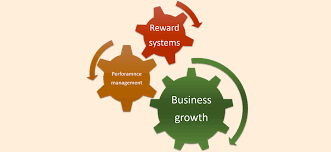
To create an understanding of the key concepts of performance management and contemporary methods for administering compensation and rewards in practices. It also helps in articulating the benefits of using a performance development plan and the consequences of not having one in place.
Category: Shivani Agarwal
- Teacher: Mr. Roshan Kumar Gupta [MCA]
- Teacher: Ms. Riya rai [MCA]
Category: Mr. Vijay Kumar
Aptitude training for an MCA (Master of Computer Applications) course focuses on developing essential skills required for problem-solving, analytical thinking, and technical proficiency. Here’s a summary of the key components:
1. Quantitative Aptitude
Focus Areas:
- Number Systems: Basics of integers, fractions, decimals, and real numbers.
- Algebra: Equations, inequalities, and functions.
- Geometry: Properties of shapes, areas, volumes, and coordinate geometry.
- Arithmetic: Percentages, ratios, proportions, and basic calculations.
- Data Interpretation: Analyzing data from charts, tables, and graphs.
Training Resources:
- Books (e.g., R.S. Agarwal’s “Quantitative Aptitude”).
- Online practice platforms and quizzes.
2. Logical Reasoning
Focus Areas:
- Patterns and Sequences: Identifying and predicting patterns.
- Syllogisms: Logical reasoning and deduction.
- Puzzles and Brain Teasers: Problem-solving through logic.
- Critical Thinking: Evaluating arguments and reasoning.
Training Resources:
- Reasoning books (e.g., R.S. Agarwal’s “Logical Reasoning”).
- Online platforms and apps with practice exercises.
3. Verbal Ability
Focus Areas:
- Grammar: Rules of English grammar and usage.
- Vocabulary: Word meanings, synonyms, and antonyms.
- Comprehension: Reading passages and answering related questions.
- Critical Reasoning: Analyzing and interpreting written information.
Training Resources:
- Grammar and vocabulary books (e.g., “Word Power Made Easy” by Norman Lewis).
- Online grammar exercises and reading comprehension tools.
4. General Strategies
- Regular Practice: Consistent daily practice to improve skills.
- Mock Tests: Simulate exam conditions and assess performance.
- Study Groups: Collaborative learning and problem-solving.
- Time Management: Developing efficient problem-solving strategies.
This comprehensive approach to aptitude training helps MCA students develop a well-rounded skill set crucial for academic success and career opportunities in the tech industry.
Category: Manish Gupta
- Teacher: Vikas Gangwar [CS]
Category: Mr. Vikas Gangwar
An Aptitude typically provides an overview of an individual's natural talents, skills, and abilities. Here’s a general outline of what aptitude might include:
Overview of Strengths:
- Problem-Solving Skills: Ability to analyze situations, identify issues, and develop effective solutions.
- Analytical Thinking: Capacity for understanding complex systems and concepts, and breaking them down into manageable parts.
- Technical Skills: Proficiency in specific tools, technologies, or methodologies relevant to a particular field.
- Creative Abilities: Talent for thinking outside the box, generating innovative ideas, and applying creative solutions to real life challenges.
Core Competencies:
- Numerical Aptitude: Strength in handling mathematical calculations, data analysis, and quantitative reasoning.
- Verbal Aptitude: Skill in understanding, interpreting, and conveying information through language, both written and spoken.
- Spatial Reasoning: Ability to understand and manipulate shapes, patterns, and spatial relationships.
Interpersonal Skills:
- Communication: Proficiency in articulating ideas clearly and effectively to diverse audiences.
- Teamwork: Ability to collaborate well with others, demonstrating leadership and supportive skills as needed.
- Emotional Intelligence: Capacity for understanding and managing one’s own emotions and those of others, enhancing interactions and decision-making.
Learning and Adaptability:
- Quick Learner: Ability to grasp new concepts and skills rapidly and effectively.
- Flexibility: Capacity to adapt to changing circumstances and work environments with ease.
Career-Related Aptitudes:
- Industry-Specific Skills: Expertise in areas relevant to a particular career or profession, such as software development, marketing strategies, or engineering principles.
Potential Areas for Growth:
- Skill Development: Areas where further training or practice could enhance capabilities.
- Experience Gaps: Aspects of the field where gaining more experience could be beneficial.
Aptitude can help you to guide in career decisions, educational pursuits, and personal development strategies.
Time management is a crucial component of aptitude that involves the ability to plan, prioritize, and execute tasks efficiently within a given timeframe. In the context of aptitude, time management play a very important role.
Effective time management enhances productivity, reduces stress, and improves overall performance by ensuring that tasks are completed efficiently and deadlines are met. It’s a vital skill in both personal and professional settings, and honing it can lead to significant improvements in achieving goals and maintaining balance.

Category: Manish Gupta
For campus placement, especially in competitive fields or companies, the aptitude requirements can be quite specific and rigorous. Here’s a breakdown of what you might need to focus on:
1. Technical Skills
- Domain Knowledge: Understanding of the specific field or industry you're applying to, whether it's engineering, finance, IT, etc.
- Coding and Programming: For tech-related roles, proficiency in programming languages and problem-solving skills are essential.
- Software Proficiency: Familiarity with relevant tools and software can be crucial depending on the job.
2. Aptitude Tests
- Quantitative Ability: Strong skills in mathematics, including algebra, calculus, statistics, and data interpretation.
- Logical Reasoning: Ability to solve puzzles, logical problems, and pattern recognition tasks.
- Verbal Ability: Proficiency in reading comprehension, grammar, and vocabulary.
3. Soft Skills
- Communication Skills: Both verbal and written communication are key, as they reflect your ability to articulate ideas and work effectively in teams.
- Problem-Solving Ability: Demonstrating critical thinking and problem-solving skills through practical examples or case studies.
- Teamwork and Leadership: Experiences and traits that showcase your ability to work well in teams and potentially lead projects or initiatives.
4. General Knowledge and Awareness
- Current Affairs: Awareness of current events, industry trends, and general knowledge that might be relevant to the role or company.
- Company Knowledge: Understanding the company’s history, products, services, and market position.
5. Interview Preparation
- Technical Interviews: Expect to solve problems, answer technical questions, and sometimes complete coding challenges or case studies.
- Behavioral Interviews: Be prepared to discuss past experiences, challenges, and accomplishments, and demonstrate how you fit with the company culture.
6. Additional Skills
- Project Management: Understanding of basic project management principles and tools might be necessary, especially for managerial roles.
- Presentation Skills: Ability to present ideas clearly and effectively, often demonstrated through presentations or group discussions.
Preparation Tips:
- Mock Tests: Take practice tests to get familiar with the types of questions asked and the format of the aptitude tests.
- Study Material: Use books, online courses, and other resources to strengthen your quantitative, logical, and verbal skills.
- Resume Building: Ensure your resume highlights relevant skills, experiences, and achievements that align with the job requirements.
Category: Manish Gupta
- Teacher: MR AYUSH KUMAR [CE]
Category: Final year courses
- Teacher: MR SARV PRIYA [CE]
- Teacher: MR ZOHAIB AHMED KHAN [CE]
Category: Final Year
- Teacher: MR SIDDHARTH JAIN [CE]
Category: Final Year
- Teacher: Ms. Baldivya Mitra [CO]
- Teacher: DR SANDEEP CHHABRA [ME]
Category: Mr. Vineet Kumar Vashishtha
- Teacher: Prof.(Dr.) Satish Kumar [EN]
Category: Fourth Year
- Teacher: DR RAMESH SINGH [EN]
Category: Mr. AMEER FAISAL
- Teacher: Rajendra Patel [CS]
- Teacher: Swati [CS]
- Teacher: Mr. Vishal Kumar [CSE]
Category: Mr. Rajendra Kumar Patel
- Teacher: MS VINEETA PAL [CE]
Category: Final Year
- Teacher: MS SHEETAL [EN]
Category: FOURTH YEAR
- Teacher: Mr. Vipin Deval [CSE]
- Teacher: MS MADHU GAUTAM [CSE]
- Teacher: MS PARITA JAIN [CSE]
- Teacher: MS SWATI SHARMA [CSE]
- Teacher: Ms. SHIVALI TYAGI [CSE]
- Teacher: Shalini Kapoor [CSE]
Category: DR PARITA JAIN
- Teacher: Dr.Sapna Juneja [CSE- AI]
Category: Prof. Sapna Juneja
- Teacher: MS ARTI SHARMA [CO]
- Teacher: MS MADHU GAUTAM [CSE]
Category: DR MADHU GAUTAM
- Teacher: Rohit Vashisht [CSIT]
- Teacher: Silki Kharaliya
Category: Dr. Shrankhla Saxena

- Teacher: DR ARUN KUMAR TRIPATHI [MCA]
- Teacher: DR SANGEETA ARORA [MCA]
Category: Dr. Arun Kumar Tripathi
- Teacher: Dr. Preeti Garg [CSE]
- Teacher: Mr. Upendra Mishra [CSE]
- Teacher: MS PARITA JAIN [CSE]
- Teacher: MS SWATI SHARMA [CSE]
Category: DR MADHU GAUTAM
- Teacher: Rohit Vashisht [CSIT]
Category: Ms. Silki
- Teacher: Ms. Akanksha [CO]
Category: Ms. Akanksha
- Teacher: Latika Sharma [CSIT]
Category: Ms. Silki
- Teacher: Sonia Deshmukh [CSIT]
Category: Ms. Silki
- Teacher: Ms. Akanksha [CO]
- Teacher: Dr.Sapna Juneja [CSE- AI]
Category: Prof. Akanksha
- Teacher: Mr. Vipin Deval [CSE]
- Teacher: MS MADHU GAUTAM [CSE]
- Teacher: MS PARITA JAIN [CSE]
Category: DR SWATI SHARMA
- Teacher: Mr. Vipin Deval [CSE]
- Teacher: MS PARITA JAIN [CSE]
- Teacher: MS SWATI SHARMA [CSE]
Category: DR MADHU GAUTAM
- Teacher: Mr. Pardeep Tyagi [CO]
- Teacher: Ms. Anshula Gupta [CO]
- Teacher: Ms. Swati Jain [CO]
- Teacher: Dr. Gaurav Dubey [CS]
- Teacher: MR. AKASH GOEL [CS]
Category: Prof. Arti Sharma
- Teacher: Dr. Preeti Garg [CSE]
- Teacher: Mr. Upendra Mishra [CSE]
- Teacher: MS MADHU GAUTAM [CSE]
- Teacher: MS NEHA YADAV [CSE]
Category: DR Preeti Garg
- Teacher: MS SWATI SHARMA [CSE]
Category: DR MADHU GAUTAM
- Teacher: MS NEHA YADAV [CSE]
- Teacher: MS PARITA JAIN [CSE]
- Teacher: MS SWATI SHARMA [CSE]
Category: DR PARITA JAIN

open elective for third year six semester KOE068

- Teacher: DR DILKESHWAR PANDEY [CSE]
Category: DR DILKESHWAR PANDEY
- Teacher: DR DILKESHWAR PANDEY [CSE]
Category: DR DILKESHWAR PANDEY
- Teacher: Deepti Singh [CSE]
- Teacher: DR DILKESHWAR PANDEY [CSE]
- Teacher: Mr. Vipin Deval [CSE]
Category: Archived Courses
- Teacher: Ms. Akanksha [CO]
- Teacher: Ms. Anshula Gupta [CO]
- Teacher: Dr. Sushil Kumar [CSE]
- Teacher: Mr. Vipin Deval [CSE]
Category: Archived Courses
- Teacher: Shefali Goel [CS]
Category: Ms. Shefali Goel
- Teacher: Mr. Saurav Chandra [CSE]
Category: DR DILKESHWAR PANDEY
- Teacher: Swasti Singhal [CSIT]
Category: Ms. Latika Sharma
- Teacher: MR. AKASH GOEL [CS]
- Teacher: Shreela Pareek [CS]
Category: Dr. Akash Goel
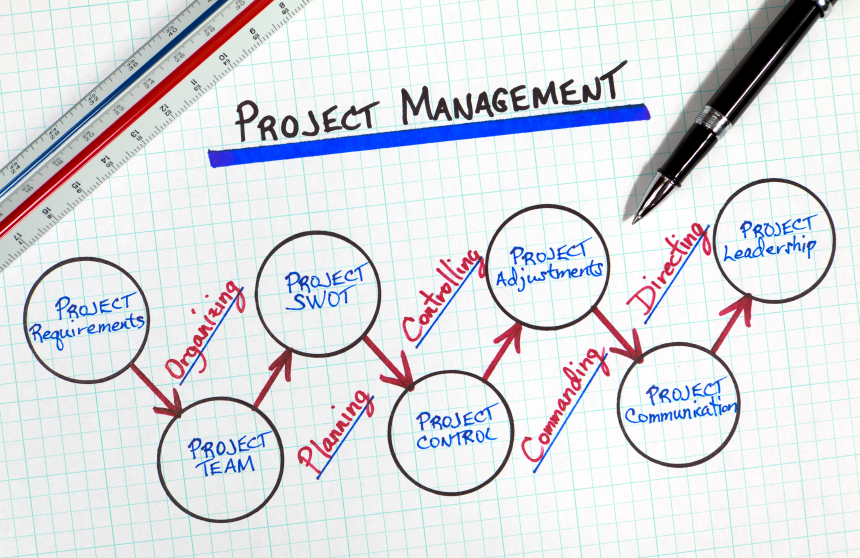
Software Project Management for ME VI sem students
- Teacher: MR RAJESH KUMAR PATEL [ME]
Category: Dr. Piyush Pant
- Teacher: Latika Sharma [CSIT]
- Teacher: Mr. Deep Kumar [CSIT]
Category: Mr. Deep Kumar
This is an elective paper of M.Tech(CSE) program.
- Teacher: DR DILKESHWAR PANDEY [CSE]
Category: DR DILKESHWAR PANDEY
Category: Dr. Jaswinder Singh
- Teacher: Ms. Akanksha [CO]
- Teacher: MR. ABHISHEK GOYAL [CS]
- Teacher: MS. PALLAVI SHARMA [CS]
Category: Prof. Akanksha
- Teacher: RISHABH _
- Teacher: Rishabh Chakraborty [CS]
- Teacher: Shreela Pareek [CS]
Category: Ms Shreela Pareek
- Teacher: Rishabh Chakraborty [CS]
- Teacher: Shreela Pareek [CS]
Category: Mr. Rishabh Chakroborty
- Teacher: Ms. Akanksha [CO]
Category: Prof. Akanksha
- Teacher: MR SIDDHARTH JAIN [CE]
Category: Final year courses
Human values are the virtues that guide us to take into account the human element when we interact with other human beings. Human values are, for example, respect, acceptance, consideration, appreciation, listening, openness, affection, empathy and love towards other human beings.

Category: Mr. Shubham Shukla
This course of Web designing helps the students to master the skills that are incredibly versatile and easily transferable to a number of different fields and industries. Beyond this, they are also great first sets of skills to learn for anyone looking to do more advanced design and development work. For example, students who want to do web design will need to learn basic coding skills using HTML/CSS and JavaScript.

Category: Ms. Garima Singh
Web technology involves the use of hypertext markup language (HTML) and cascading style sheets (CSS). It involves methods by which computers communicate with each other through the use of markup languages and multimedia packages . It gives us a way to interact with hosted information, like websites. Web development is the work involved in developing a website for the internet or an intranet.Web Technology can be classified into the following sections:
1. World wide web
2. Web Browser
3.Web server
4.Web pages
5.Web development

Category: Ms. Garima Singh